

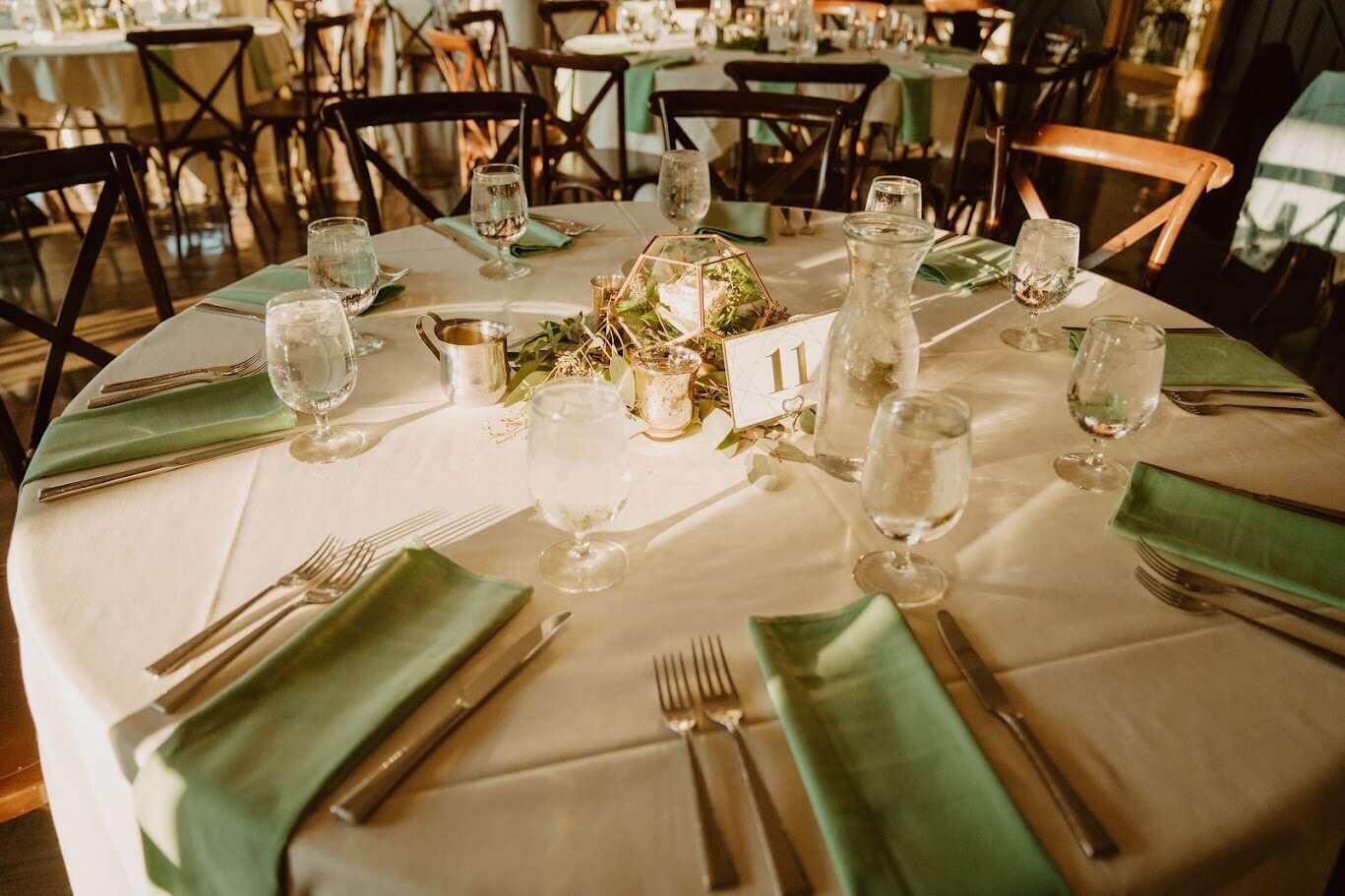
There are so many moving parts to consider when planning your wedding. You need to find a day or weekend for your nuptials, choose your officiant, pick your colors, find a dress, choose your wedding party, secure venues for your ceremony and reception, and that’s just the start!
One set of decisions that doesn’t get discussed as often, but will have a massive impact for each and every one of your guests is the wedding seating chart. The people you put together will be spending a lot of time with each other during your reception, so you want to do your best to give everyone good company.
So let’s take a look at how to make a wedding seating chart that will work for you and make the best sense in your venue while highlighting a few traps and mistakes that can make things awkward or uncomfortable for your guests.
What is a Wedding Seating Chart?
To be clear, we are looking at the best ways to make a wedding reception seating chart. Aside from parents, grandparents, and any siblings who may not be in the wedding party, assigning seats for your wedding ceremony isn’t really a thing most of the time.
Plotting out your seating chart will determine which guests will be eating together and interacting with each other in the lead up to the portions of your reception where everyone is, hopefully, on their feet dancing.
Do You Need Assigned Seats at Your Wedding?
Not every reception requires a wedding seating arrangement. It largely depends on factors like your venue, what kind of tables you are using, and what food you are serving. Here is a brief rundown of why no seating chart, table assignments, or a full wedding seating plan might be right for you.
Open Seating
Less formal receptions, such as those being held on a family’s property, work very well with open seating. The food at these kinds of receptions is often made by the host on their own barbecue, and everyone spends the reception milling about outside. This is also a great option when you want your reception to be more of a cocktail party where people are encouraged to float between different tables to mingle.
Assigned Tables
When you are thinking through your wedding seating chart ideas, assigning tables instead of fully assigning seats may be the way to go. This plan works especially well when you are doing a buffet style dinner service. You can group guests that you think will get along nicely and then ensure that they all get their food from the buffet at the same time.
Assigned Seating
The biggest strength that comes with having an assigned seating wedding reception is that your catering staff knows exactly which seat matches which meal. You still get to make groups of guests that will have a good time together, but you also ensure that everyone who RSVP’d with special dietary needs gets their meal right alongside everyone else without having to go out of their way.
Additionally, assigned seating helps you facilitate guests with accessibility needs, balance out complicated family dynamics by placing potentially dramatic guests far away from each other, and help people socialize by seating single guests at tables with good matchmaking family members.
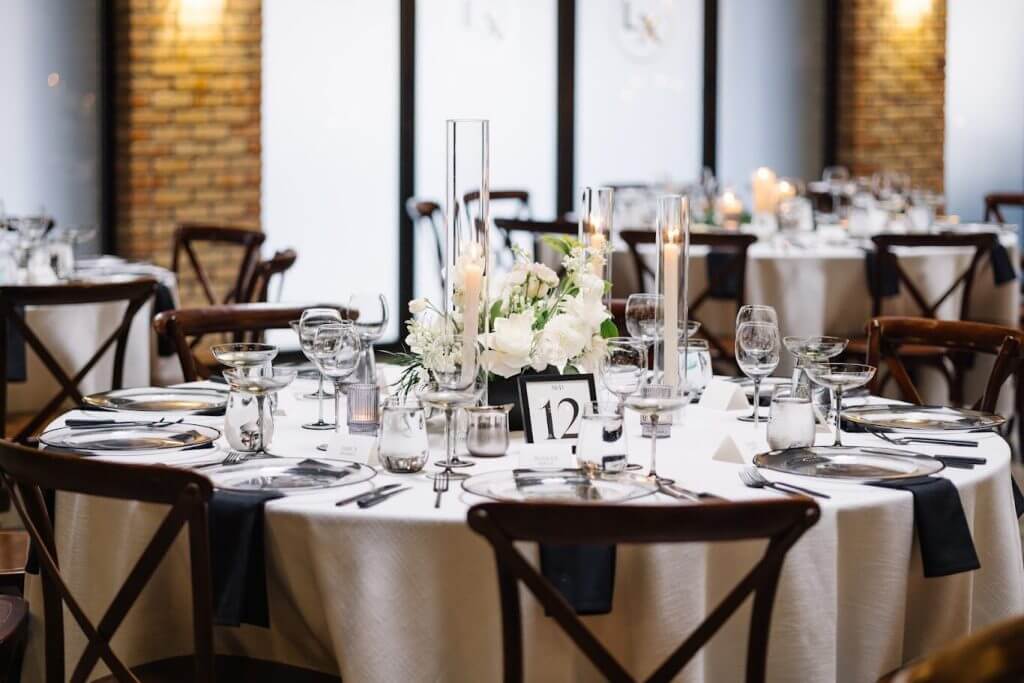
Creating Your Wedding Seating Chart
Because there are many variables to factor in, such as your venue’s layout and traffic patterns, simply laying out a wedding seating chart template isn’t that helpful. To help you make your seating chart, we offer a few key tips to use and pitfalls to avoid.
Start with the Confirmed Guest List
In order to make a comprehensive, effective seating chart, you need your up-to-date, accurate wedding guest list. That means every guest who RSVP’d, their plus-ones, their kids (if you are having kids at your wedding), meal choices, accessibility needs, and dietary restrictions. If you are making a spreadsheet, it would also be prudent to include known personal conflicts.
Using this master guest list, along with the wedding floor plan of your venue, you can create your seating arrangement. The floor plan should include the table shape, the number of available seats, entertainment setup, and catering routes.
Consider Your Preferred Table Shape
If you are making a wedding seating chart by table, it’s good to factor in what kinds of tables you want. Long, rectangular tables may be able to fit more people, family-style seating brings a bit of informality to your reception that can be refreshing, and round tables allow you to be very specific about who is eating with and conversing with whom during your dinner service. In some cases, you may want to use a mixture of different tables to make the most of a uniquely shaped venue.
Read More: Banquet Table Sizes Planning: Why Venue Selection Makes All the Difference
Decide Where the Wedding Couple and Party Will Sit
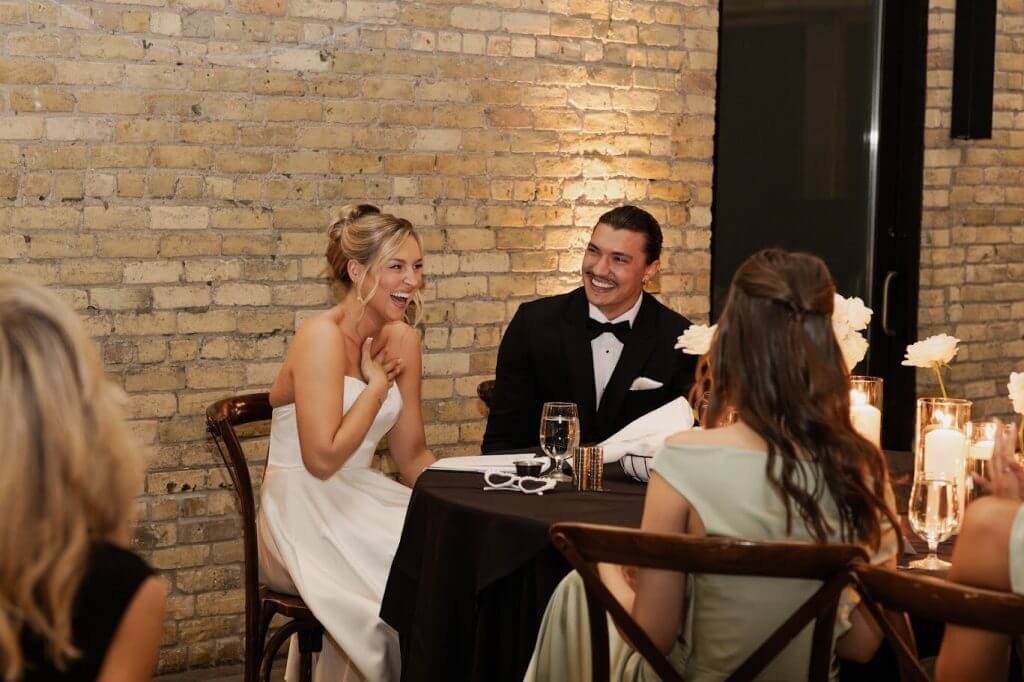
The first part of your wedding table arrangement planning phase should revolve around the couple and the wedding party. You could do a head table with the whole party up in the front of the room or sweetheart table seating where the couple is at a highlighted table by themselves.
Wedding head table seating keeps everyone who may be set to give toasts in place together, while a sweetheart table puts more focus specifically on the couple. If you do choose a sweetheart setup, it’s a good idea to spread your wedding party members around different tables as hosts.
Group Guests Before Assigning Seats
You are going to be inviting people from a lot of different parts of your life. Immediate family, school friends, adult friends, friends from work, and extended family. So break your guest list into manageable groups based around your relationships, guests’ common interests, or people you just want to see interact.
The “seating chart for wedding reception” rulebook is very fluid. You can break your guests down into even more specific groups or keep it general. But overall, the best thing you can do is ensure that there is some common thread among everyone that you eventually place together at a table.
Handle Family Relationships with Care
Family dynamics can be difficult to navigate. Be sure to take your family’s feelings and your needs for as stress-free a wedding reception as possible into account. This is especially important when balancing in-laws and divorced parents.
If the parents of both members of the wedding couple get along fairly well, sit them together by all means! If they have a tense or chilly relationship, consider seating them apart, but equally close to the couple. That’s also a good idea for how to sit divorced parents at wedding receptions. Sit them separately, but as close to equidistant from the head table as possible.
Read More: How to Block Hotel Rooms for a Wedding in Downtown Minneapolis
Seat Couples, Singles, and Plus-ones Considerately
After you resolve the “where do parents sit at a wedding” question, you can start seating everyone else. Don’t split partners or guests from their plus-ones. And try not to have an obvious singles table.
If there are single guests without plus-ones, seat them with people they will know or have common interests with. If you would like to see some sparks fly between single guests, put them at the same table, but have some non-single people around to help keep things light.
Plan Seating for Children and Families
One question that many people curious about wedding seating etiquette ask is “what do you do about children?” Some couples request that their guests not bring their kids, and that is a perfectly valid choice. For those that do plan on having little ones at their nuptials, there are two main options to choose from.
You can make a wedding seating chart by table that keeps kids with their parents, mixed in with other guests that you know don’t mind being around kids. Or you can set up one or more children’s tables based around age group and level of independence. If you go that route, be sure you have parents sitting nearby for supervision purposes.
Take Accessibility Into Account
Accessible wedding seating allows everyone you care about to celebrate your marriage. Factor wheelchair routes, proximity to exits, caregivers, service animals, and any other accessibility considerations your guests may have into your seating chart.
To find out what accommodations your guests need, just ask. Include accessibility needs in your RSVP process so that you know exactly what your guests need and you can plan accordingly. Your guests will be very grateful that you took their needs into account.
Factor in the People Working at Your Reception
Your vendors and the venue staff need to be included when you plan out your seating arrangements. Using the floor plan, be sure that you are not blocking pathways people need to use to serve and bus tables. And be sure to give your entertainment, planners, and photographer space to sit where they can get up to take care of their business unobtrusively.
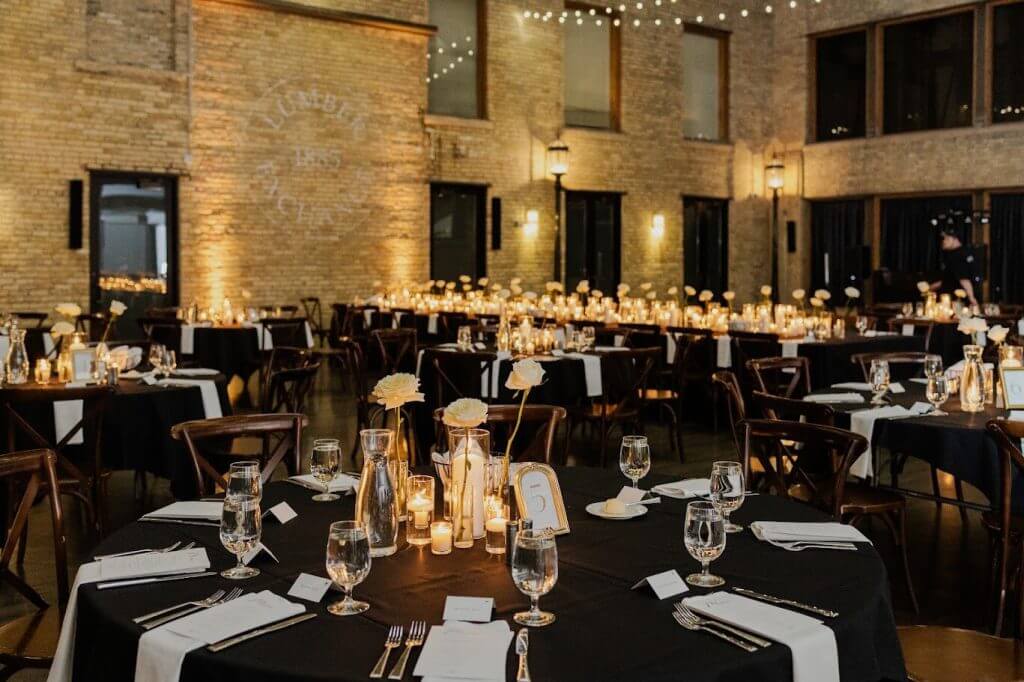
Once You Have Your First Draft Made, the Editing Begins
So you have your banquet table sizes, your finalized guest list, your list of vendors, and your catering plan figured out — now you can fill in your seating chart with everyone. Once you have your first plan made, take a look at it from the guest perspective.
Be sure that everyone has someone at their table they can talk to. Then make tweaks to your plan until you are satisfied. But be prepared for last-minute changes or late RSVPs. Solid preparation leaves room to make adjustments.
Share Your Seating Plan with Your Venue and Vendors
Let the people who will be doing the work during the reception know your plan so that they can tailor their service to you. Plot out the meal choices for each seat, take their notes about foot traffic and what they need to do the best job possible for you to heart and make changes to your seating chart as needed.
A Good Wedding Seating Chart Makes the Reception Easier to Enjoy
When it comes to weddings, preparation makes all the difference. By mapping out your seating chart, you help your guests relax into your reception. And one of the great things about throwing a downtown Minneapolis wedding reception is that you can secure an LXMPLS venue and get help with your planning — including your seating chart.
Part of working with LXMPLS is our wedding planning assistance. That can include helping you decide between table styles, full seating charts, seating by table, using escort cards vs place cards to help people find their spots, and on and on. Our experience in planning and executing great weddings and receptions is the most useful tool you can wield in your wedding prep.
As a Minneapolis wedding venue with multiple rooms, in-house catering, and planning assistance, LXMPLS should be on your short list of options. Contact us today and see what we can do for your wedding!
FAQ
When should you make a wedding seating chart?
When you want to ensure that all of your guests will have someone to talk to at your reception, a seating chart is a great tool. It can also be used to ensure guests with accessibility needs are placed in comfortable spots that allow them to enjoy your reception.
Do you need assigned seating at a wedding?
No. But assigned seating can help your caterers serve your guests quickly and efficiently.
How many people should sit at a wedding table?
It depends on the size and shape of your tables.
Should couples sit together at a wedding reception?
Yes.
Where should parents sit at a wedding reception?
Seat parents near the couple.
How do you seat divorced parents at a wedding?
If they have a difficult relationship, place them at different tables that are about equally close to the couple’s table.
Should couples and plus-ones always sit together?
Yes, whenever possible.
Where should children sit at a wedding reception?
That is up to you. Some people keep children with their parents, some establish children’s tables.
Should a wedding seating chart be alphabetical or organized by table?
Organize by table. Alphabetical seating doesn’t take relationships, common interests, or accessibility requirements into account.
What is the difference between an escort card and a place card?
An escort card directs you to a table and a place card directs you to a specific seat at a table.
How should you handle last-minute seating changes?
Factor some wiggle room for cancellations, late RSVPs, or other last-minute changes into your chart so that you can make quick adjustments as needed.
Sorry, the comment form is closed at this time.