

Corporate Event Planning: A Q1 Kickoff & Annual Meeting Playbook for Downtown Minneapolis
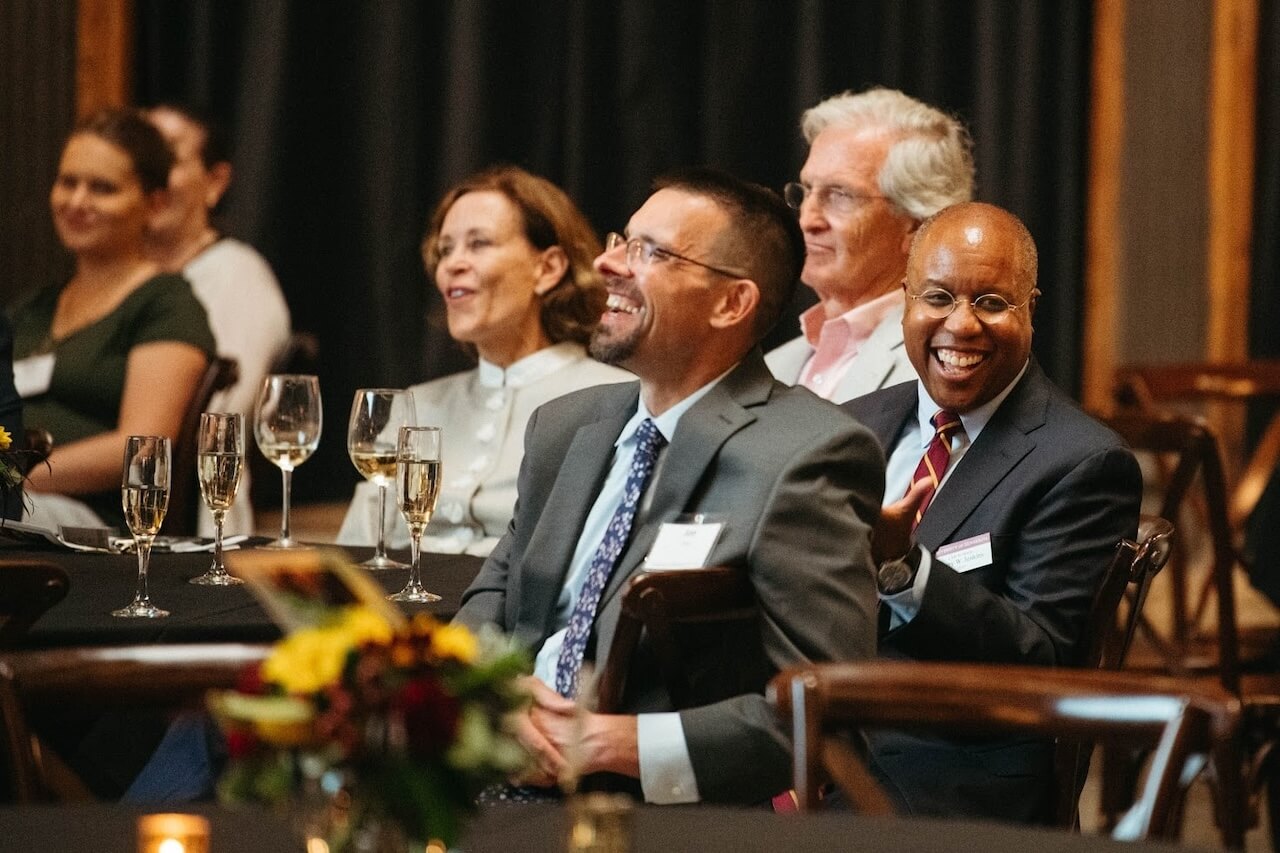
No matter your industry, Q1 comes with a clean slate of sorts, with a set of goals designed to get you off on the right foot for the year to come. This is the quarter that often sets the tone for the rest of the year and success here can either be a launching pad or something that causes you to spend the next three quarters constantly adjusting. It’s why corporate event planning in Q1 is important to set the stage for a launching pad. Let’s take a look at a Q1 kickoff and annual meeting playbook that will set your year off right.
What’s Your Goal?
Q1 events often need to accomplish specific goals, such as:
- Aligning priorities or resetting expectations across your organization
- Recognizing wins and setting up future ones
- Training and onboarding new and existing employees to meet the year’s goals
- Reconnecting your teams in the new year.
To plan a successful corporate event, whether it’s Q1 kickoff planning or annual meeting planning, choose one main goal as your basic framework so the event is cohesive and does not feel like ten different meetings stitched together. This gives clarity to everyone who attends. They know why they are there, understanding the event’s purpose along with clear actions to take away and do. Keep it simple, so you can define what success looks like in one sentence in terms of attendance and engagement, while boosting attendee morale and an easier adoption of next-steps.
Define Your Format before Your Agenda
Once you have set your goals for your Q1 event, you can pick an event format that will support meeting that goal. Your conference seating layout should support the format you want. It’s advisable to pick the format of your event before you build your agenda because the format will dictate much of how that agenda will look. It will also affect your choice of venue.

Match Format to Goal
Town hall meeting planning is a format that works well for alignment and leadership visibility while planning an event in a kickoff format with breakouts more fully supporting training and cross-team work. If you are looking at hosting an event for partners or clients, then a reception with a short program format will support those goals. An annual meeting format on the other hand works well for reporting metrics and decisions that will be put into action in the coming year.
Each of these formats has pros and cons in terms of energy, length, AV needs, and seating arrangements.
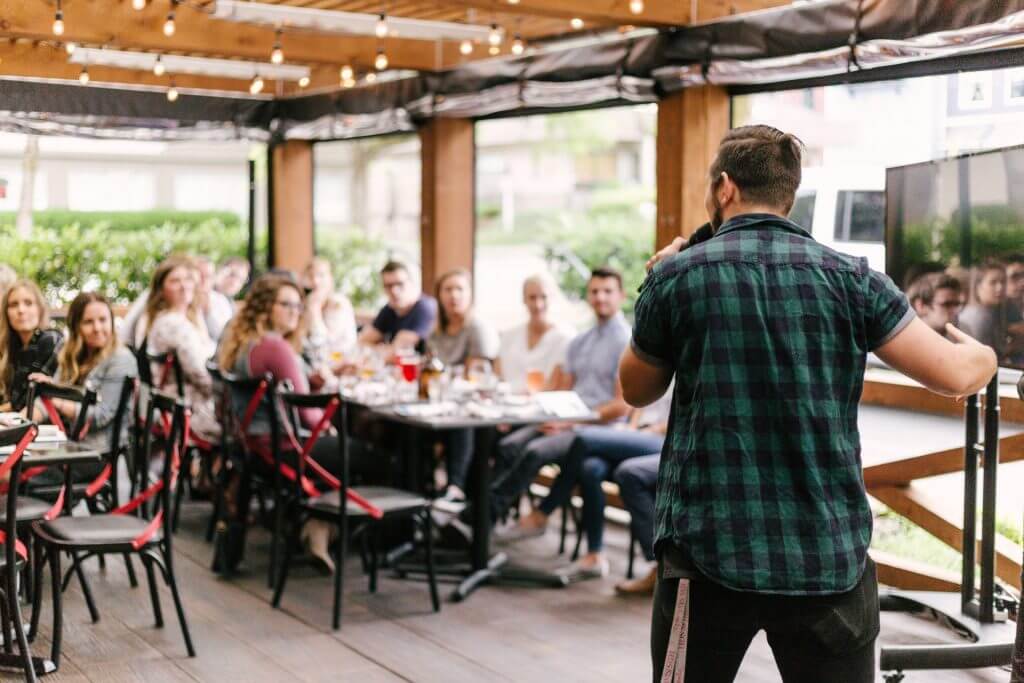
Town hall meeting formats can be high engagement events that help boost employee morale and build trust between leadership and staff, but the seating arrangement can emphasize the unequal power dynamic between executive leaders and employees. This style lends itself to a shorter meeting, however, quality AV is imperative to maintain engagement.
The kickoff and breakout session corporate meeting format is more of a hybrid meeting format that can work well to drive alignment and engagement along with collaboration and brainstorming. It has the high-energy presentation of a town hall, but combines it with smaller group sessions that lowers incidents of passive listening. These events are usually longer, however, and take more planning and stronger facilitation.
If your company’s kickoff event ideas include breakouts, your breakout session planning needs to weigh their benefits, so know when they are worth it and when they are just extra walking for attendees. Much like the event as a whole, having a specific goal for each breakout will help you decide if these sessions will have a clear purpose and even motivation for attendees.
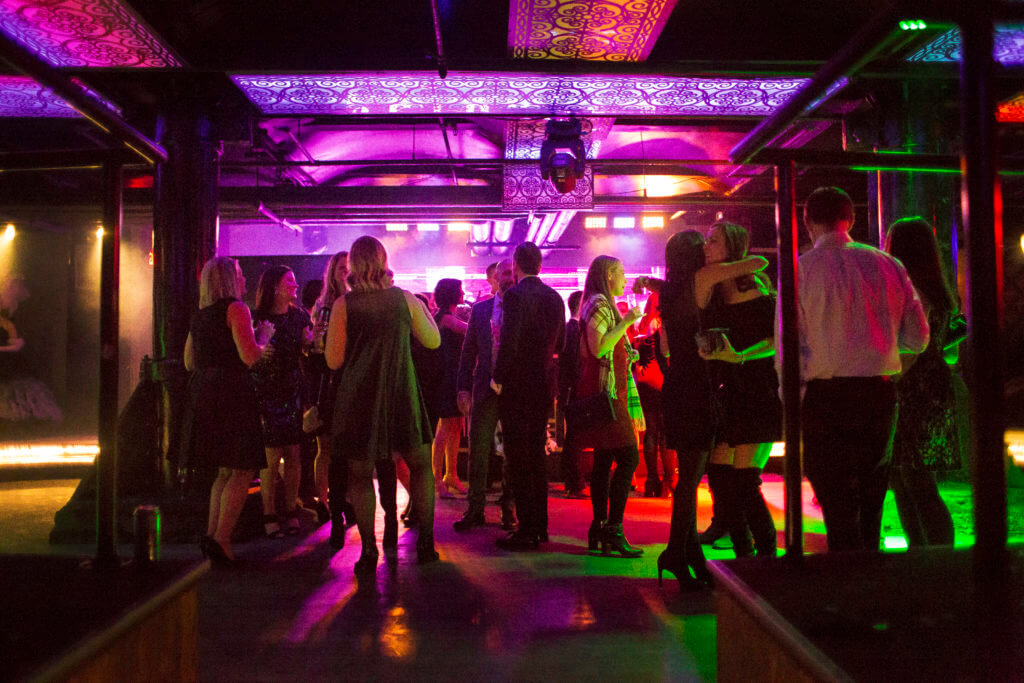
The short program and reception format for corporate events can help balance programs that celebrate new products, updates, and annual awards with networking and relationship building. This format can be less lengthy than other styles incorporating high engagement and flexibility while also being cost-effective. Deeper engagement can be limited though and the layout needs to be flexible to accommodate both the seating of a presentation and a mostly standing reception.
Annual meetings are usually longer events that can take place over several days and require much deeper planning and structured agendas. They can be important networking and engagement events that support team building and meaningful interaction between attendees. They can include high-impact presentations, structured decision-making, and experiential learning opportunities. They do require significant logistics planning and AV capabilities along with a larger time and financial investment.
Your Corporate Event Planning Timeline
Your planning timeline is another important element for crafting a memorable large scale corporate event.
8-10 Weeks Out
This is a period of decision making to choose your format and required rooms. Plan your date, headcount range and rough budget.
6-8 Weeks Out
Pin down your speaker list and content owners along with drafting your agenda blocks and breaks. This is a time to also pin down your catering direction for morning, lunch, and reception times.
3-5 Weeks Out
During this time period, draft the final run of the show and finalize your registration and communications plan for your event. You also need to finalize your vendor confirmations and any necessary insurance paperwork.
1-2 Week Out
As your event grows near, it is time to meet your slide presentation deadline, making sure you have all the materials for each speaker or presentation. You should also have your plan set for your tech rehearsal, staffing, and day-of role assignments.
The Week Of
Your event is almost here and it is time to wrap up the details with final numbers, cue sheets, printing your signage plan, and finalize your backup plan for late arrivals and inclement weather.
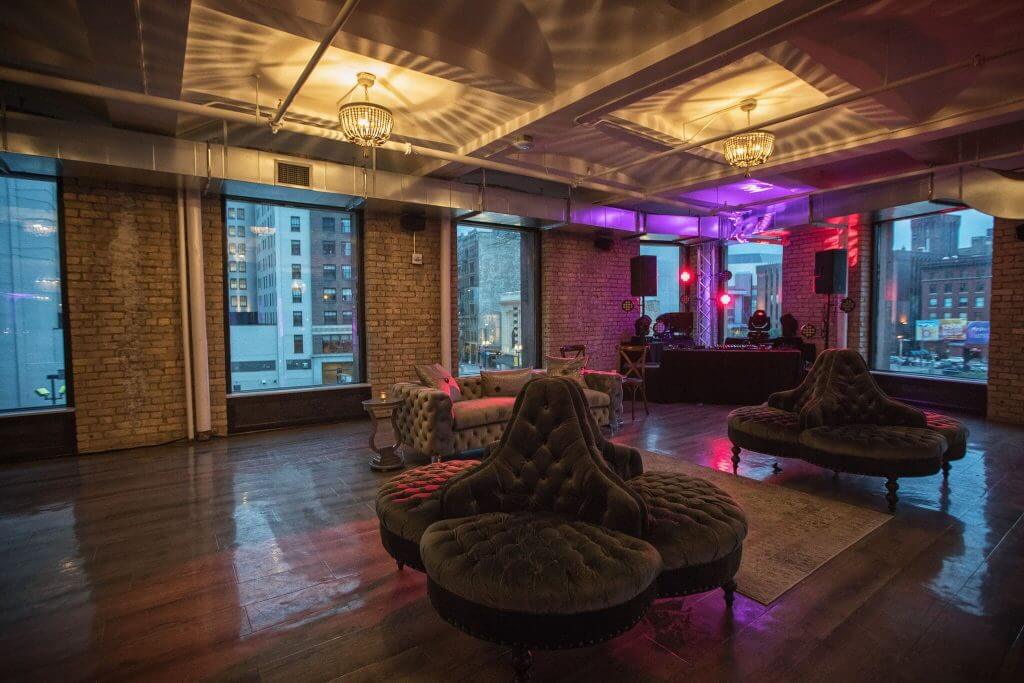
Budget Buckets That Actually Matter
Your corporate event budget breakdown should include the buckets that matter most, including:
- Venue and staffing
- Catering and bar
- AV and production support
- Rentals and staging requirements
- Decor and branding touches
- Optional photo/video requirements
- Contingency line items
These budget items are most important for you to meet the goals of your event and support the look and feel of what you want the event to have. Cutting corners on certain line items can back fire. This can include cutting your AV support too hard, which can significantly lower the perception of quality for your event. Also, make sure not to overstuff your agenda with low-quality items. Having a lot may seem like you are raising the value by offering more, but actually more stuff does not replace high-quality agenda items, even if there are fewer.
Another precaution is to not skip transition time in your planning, which can cause schedule drift and lower the impact of your event. Budget for this transition time in your agenda.
Layout and Flow: How It Decides Energy
The layout of your event affects both the flow and energy. Planning for it properly is one of the main tips for crafting a successful corporate event.
A theatre configuration has a clear area for those presenting and a clear space for an audience watching the presentation. This can focus the audience on the presentation but has a clear delineation between participants, one is watching and the other is doing. Attention depends heavily on the quality of the presentation, but participants are usually comfortable to sit and watch. It also accommodates the most people.
A classroom presentation can have both a presentation or lecture energy but can be more participatory for attendees. It promotes learning, asking questions, and a higher level of engagement, but space and attendee size can be more limited. This configuration can work well for break-out sessions.
A making-the-rounds configuration can accommodate more participants and smaller presentations or booths for participants to walk between. It promotes more one-on-one conversations and allows attendees to choose what they want to see, learn, or connect with.
Your event can also incorporate all three of these configurations, especially for day long or multiple day events.
Breakout Flow
Pay attention to the flow of your event set up so you can plan where people enter, where they queue, and where they may refresh themselves with coffee, water, or snacks. When planning your flow pay special attention to avoiding bottlenecks, which can usually occur near registration, food buffets, and beverage bars.
Zones to Plan Intentionally
Corporate events have typical zones of participation that each attendee needs to have clear access to, which should accommodate the number of participants and have clear signage for ease of use. These zones include:
- Registration
- Coat check (especially in winter)
- Coffee, water, or refreshment station
- Networking areas conducive to conversation
- A quiet corner for speakers and VIPs to prepare
Choosing an event venue that has versatility and room options that can adequately accommodate these zones is imperative.
AV and Speaker Support Basics
Your corporate event AV checklist should include a mic and visual plan as well as basics around rehearsals and ways to avoid preventable problems.
Mic Plan
Mic technology can be quite extensive, so knowing your needs and having choices that will accommodate your needs can improve your event significantly. You can choose between handheld mics, which can be used for more static presentations, especially if there is a podium present. Handheld mics are also best for Q and A setups. Or you can choose a lavalier (LAV) microphone, which is a clip-on, hands-free mic that is better for panels, classrooms, or when there are multiple presenters.
Visual Plan
The A of AV stands for audio, which is primarily your mic setup, but the V of AV is visual, which can include screens and monitors for slides, video, and visual presentations. The setup should include checking screen visibility for the audience but also someone to run the monitor and slides who have basic confidence in how they run. Also, choose who has the slide clicker ownership to limit confusion mid-presentation.
Rehearsal Basics
Much of your AV running smoothly depends on your plan and rehearsal. Decide who runs cues, when speakers should arrive, slide presentation deadlines, and file format expectations. Planning ahead and having clear communication between presenters and those running your AV tech goes a long way.
You can prevent problems by making sure you have a time buffer built in for tech checks and, if you have hybrid participants, having a plan to fully accommodate them and any tech glitches that may occur.
Make sure your venue can accommodate your AV needs.
Food and Beverage: Timing that Keeps Attention
Your corporate event planning checklist needs to pay attention to the timing of the serving of your food and beverages.
Some basic principles for your corporate catering timeline include feeding people before they get cranky as no one is at their best when they are hungry. On the other hand, post meal time can also create a lull as attendees are human and digesting a meal can make you sleepy. Try to not schedule your most important talk right after a heavy meal.
You also need to make decisions on how you will serve the food. Will it be a grab-and-go set up or a sit-down plated one? This also goes for your coffee, water, and snack placement to be visible, accessible, and easy to consume. If your reception will be serving alcohol, you also want to make sure that your timing fits in with other activities and presentations. Having expert in-house food and drink support from your venue can make the food and beverage part of your event run more smoothly.
Winter Event Logistics in Downtown Minneapolis
Q1 lands in the heart of winter, and if you want to book a corporate event venue, Minneapolis offers plenty of choices, but also must incorporate winter event logistics.
This includes:
- Parking and signage plan that promotes a smooth arrival flow
- A coat check plan that includes staffing, space, and ticketing basics
- A plan for avoiding program interruptions from late arrivals
- Extra time built in for load-ins to accommodate winter conditions
- Accessibility solutions that are simple and respectful for clear pathways, signage, and elevator flow
Sample Corporate Event Run-of-show
Your corporate event agenda template can include half-day and full-day options.
A Q1 half-day kickoff should include:
- A timeframe for each segment of your agenda
- Goals you want to achieve during that time
- AV needs
- Notes on transition times and who owns each segment.
A full day annual meeting should have added columns including:
- Timeframe for each segment
- Who owns each agenda item
- Room setup
- Notes on each break, including coffee, snacks, and lunch
- Room changeover specifications.
For each template, make sure to add in buffer time and how to simplify the agenda if anything runs long.
FAQ
How long should a Q1 kickoff be for a mixed team?
60 to 90 minutes.
Is it better to do theater seating or rounds for engagement?
This depends on what your goals are for your event.
How many breakouts are realistic without chaos?
2 or 3 concurrent related topic sessions are usually most doable.
What AV is actually needed for a simple program?
Handheld mics with a podium and presentation slides are usually fine for a simple program.
When should speakers arrive and when should slides be final?
Speakers should arrive at least 30 minutes before the presentation and slides should be finalized at least a week before the event.
How should food be timed so people stay present?
A balance of food presentation so attendees do not feel hungry or overfed.
What is the smartest way to handle coat check and winter arrivals?
Prioritize speed, organization, and digital-friendly coat service.
What details should be ready before contacting a venue?
Time, format, goals, purpose, number of rooms, and approximate attendee numbers.
What makes a downtown Minneapolis venue a better choice for attendance?
Easily accessible, close to hotels, public transportation, flexibility and a wide variety of choices.
Next Steps: Contact the Lumber Exchange Event Center
As a downtown Minneapolis corporate venue, the Lumber Exchange is ready to support your corporate event planning for Q1 success.